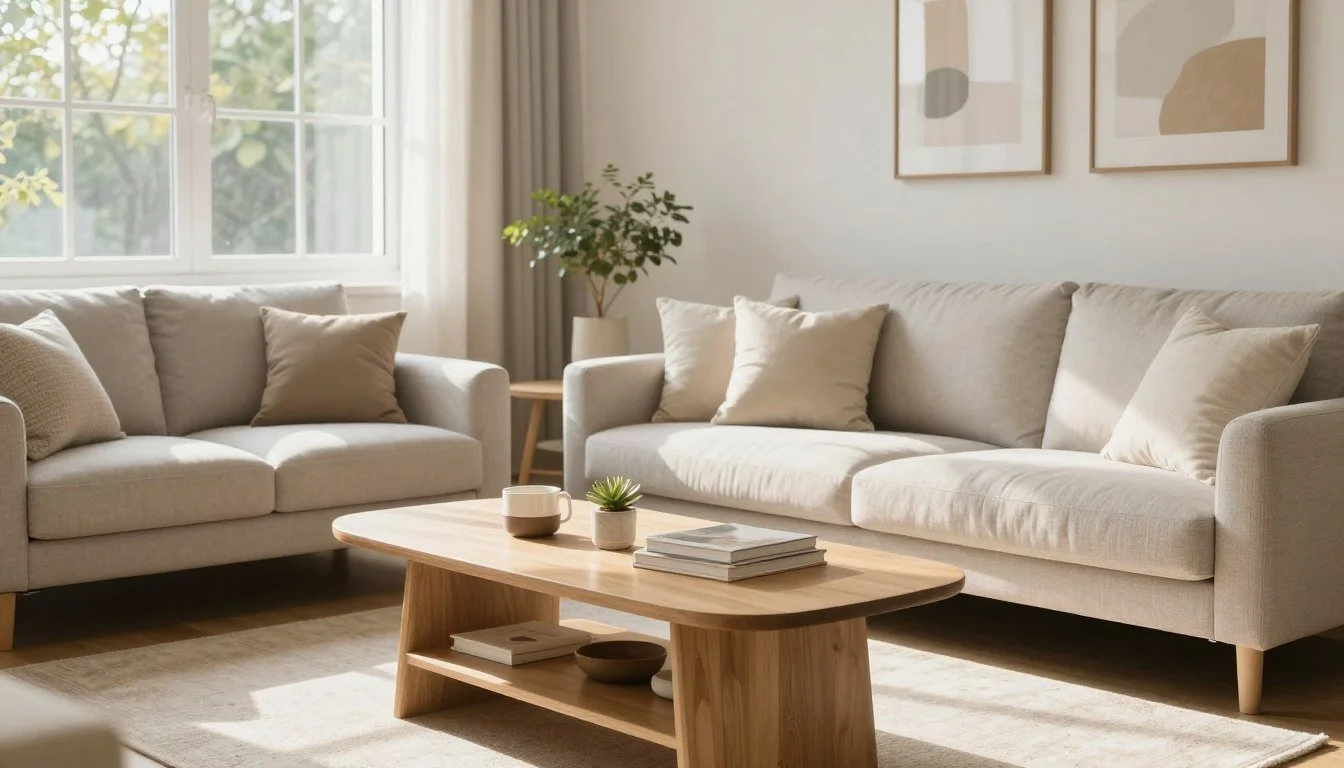
Transform your living space without emptying your bank account. These 70 handcrafted projects bring personality and function to every corner of your home. Each idea requires just a weekend and basic supplies.
Weekend projects offer the perfect balance between ambition and achievement. You start Friday evening with inspiration and finish Sunday with something tangible. The satisfaction of creating with your hands beats any store purchase.
This guide walks you through accessible projects organized by room type. From simple paint updates to complete furniture makeovers, each project includes clear steps. Your home reflects your personality when you craft the decor yourself.
Why DIY Decor Makes Sense
Handcrafted pieces cost 60-80% less than store-bought equivalents. You control quality, customize colors, and create exactly what fits your space. Plus, weekend crafting provides stress relief and creative satisfaction.
Living Room DIY Decor Projects for Maximum Impact
Your living room sets the tone for your entire home. These projects create focal points and conversation starters. Most require paint, fabric, or repurposed materials you already own.

Statement Wall Transformations
Accent walls anchor your design scheme without requiring full room paint. Choose one wall behind your sofa or opposite the entry. Removable wallpaper creates pattern without commitment.
Geometric tape designs offer modern style on any budget. Use painter’s tape to create triangles, hexagons, or stripes. Paint alternating sections in complementary shades for depth.

Wood accent walls bring warmth and texture. Thin plywood sheets cut into planks create dimension. Stain each plank differently for a weathered, reclaimed look.
Coffee Table Upgrades
Dated coffee tables transform with contact paper or tile. Marble-look contact paper mimics expensive stone. Apply it smoothly to avoid bubbles, trimming edges precisely.

Tray styling organizes coffee table surfaces beautifully. Group candles, books, and small plants on decorative trays. This arrangement looks intentional while corralling clutter.
Sofa Styling and Pillows
Pillow combinations change your room’s entire feel. Mix three pillow sizes: 24-inch, 20-inch, and 18-inch. Combine solid colors with patterns in your room’s palette.

Envelope-style pillow covers require no zippers or buttons. Cut fabric twice the pillow size plus seam allowance. Fold edges to overlap in back, creating simple openings.
Living Room Material Essentials
- Painter’s tape for wall designs
- Contact paper in marble or wood patterns
- Fabric in coordinating colors and patterns
- Acrylic paint in multiple finishes
- Wood stain and polyurethane sealer
- Foam brushes and rollers
- Measuring tape and level
- Picture hanging hardware
Quick Living Room Updates
- Rearrange furniture for fresh perspective
- Layer rugs for texture and warmth
- Update lamp shades with new shapes
- Create gallery walls with existing frames
- Add plants in decorative containers
- Swap out throw blankets seasonally
- Install dimmer switches for ambiance
- Group decor items in odd numbers
Floating Shelf Installations
Floating shelves display collections without visible brackets. Install them above sofas or beside windows. Stagger heights for visual interest and functional variety.

Shelf styling follows the rule of thirds. Place larger items on one side, smaller grouped items on the other. Leave some negative space to avoid crowded appearances.
Ottoman and Pouf Creation
Upholstered ottomans add seating and surface space. Cover wooden crates with foam and fabric. Staple fabric tightly underneath for professional results.

Poufs work as floor seating or footrests. Sew fabric cylinders, stuff with old pillows or fabric scraps. Hand-stitch openings closed for durable, washable floor cushions.
Window Treatment Ideas
Ceiling-mounted curtain rods make rooms appear taller. Install rods just below the ceiling line. Choose curtains that puddle slightly on the floor for luxury.

Layered curtains provide light control and visual depth. Hang sheer panels closest to windows with heavier drapes in front. Use coordinating hardware for cohesive design.
Area Rug Customization
Plain rugs transform with fabric paint stencils. Tape stencils firmly to prevent paint bleeding. Apply thin paint coats, building color gradually.

Rug layering adds texture without large expenses. Place smaller patterned rugs over larger neutral bases. This technique defines seating areas in open floor plans.

Choosing Paint Colors
Test paint samples on walls before committing. View colors in morning and evening light. Neutral bases with colorful accents offer flexibility for future changes.

Fabric Selection Tips
Choose upholstery-weight fabrics for durability. Pre-wash materials to prevent shrinkage. Mix textures like linen, velvet, and cotton for dimensional interest.

Refinishing Basics
Sand surfaces progressively from coarse to fine grit. Remove all dust before applying finishes. Thin coats dry faster and look smoother than thick applications.
Bedroom Decor Projects That Create Relaxing Retreats
Bedrooms deserve special attention as personal sanctuaries. These projects focus on comfort, calm, and custom style. Simple changes make dramatic differences in sleep quality and room enjoyment.

Headboard Construction
Upholstered headboards add softness and sound absorption. Cut plywood to desired shape and size. Attach foam, batting, and fabric with a staple gun on the back.

Reclaimed wood headboards suit farmhouse or rustic styles. Arrange varied-width planks horizontally or vertically. Sand smooth and seal with matte polyurethane for protection.
Nightstand Alternatives
Floating nightstand shelves work perfectly in small bedrooms. Install sturdy shelves at mattress height. Add small baskets underneath for hidden storage.

Stacked vintage suitcases create unique nightstands with storage. Choose coordinating colors or paint them to match. Stack largest to smallest for stability.
Closet Organization Systems
Double hanging rods maximize closet vertical space. Install one rod at standard height, another below for shorter items. This doubles hanging capacity instantly.

Shelf dividers prevent clothing stacks from toppling. Cut wood or acrylic sheets to fit shelf depth. Space dividers every 12 inches for organized sections.
Bedding and Textile Updates
Duvet covers from flat sheets cost less than ready-made versions. Sew three sides of two sheets together. Add buttons, snaps, or ties on the open end.

Throw blanket displays add layers and texture. Drape blankets casually at bed ends or fold them in thirds lengthwise. Choose blankets that complement but don’t match bedding.
Lighting Solutions
Pendant lights beside the bed free up nightstand space. Install them 30 inches above mattress level. Choose adjustable cord lengths for customization.

String light canopies create dreamy bedroom ambiance. Drape lights from ceiling hooks in swag patterns. Warm white bulbs provide soft, relaxing illumination.
Wall Decor Behind Beds
Large-scale art anchors beds visually. Create oversized art by stretching canvas over simple wood frames. Paint abstract designs or hang tapestries.

Plate walls offer unique bohemian charm. Arrange decorative plates in clusters above beds. Use adhesive plate hangers for damage-free installation.
Better Sleep Design Choices
- Blackout curtains or cellular shades
- Cool color palettes in blues and greens
- Minimal electronics and screens
- Natural fiber bedding materials
- Soft, layered lighting options
Creating Bedroom Serenity
Bedrooms function best with calm, uncluttered environments. Remove work-related items and excess furniture. Keep surfaces clear except for essential items and meaningful decor.
Choose muted color palettes that promote relaxation. Limit pattern to one or two elements. Natural materials like wood, linen, and cotton create peaceful atmospheres conducive to rest.
Under-Bed Storage
Rolling storage boxes maximize unused under-bed space. Build simple wooden boxes on casters. Paint or stain them to match your bed frame.

Bed skirts hide under-bed storage while adding softness. Hem fabric to appropriate length for your bed height. Attach with velcro strips for easy removal and washing.
Kitchen DIY Decor Projects Combining Style and Function
Kitchens benefit from projects that organize while beautifying. These ideas maximize storage in small spaces. Most use readily available materials from hardware stores.

Cabinet Door Updates
Paint kitchen cabinets for transformative results. Remove doors and hardware before painting. Use cabinet-specific paint that resists moisture and cleaning.

Replace cabinet doors with glass inserts for open feels. Remove door centers and install glass panes with molding strips. This displays dishes while protecting them from dust.
Open Shelving Installation
Floating shelves replace upper cabinets for airy kitchens. Use heavy-duty brackets rated for dish weight. Space shelves 15-18 inches apart for standard plate storage.

Bracket shelves offer farmhouse charm with visible support. Choose decorative metal or wood brackets. Install shelves level, checking with a spirit level.
Backsplash Projects
Peel-and-stick tile backsplashes install without special tools. Clean walls thoroughly before application. Trim tiles with utility knives for outlets and edges.

Painted backsplashes work in rentals or temporary solutions. Use high-gloss paint that wipes clean easily. Painter’s tape creates faux tile patterns with grout lines.
Pantry Organization
Clear container systems keep pantry items fresh and visible. Transfer dry goods into matching containers. Label each container with contents and expiration dates.

Door-mounted organizers utilize often-wasted space. Install wire racks or over-door organizers for spices. This frees shelf space for larger items.
Countertop Solutions
Tiered corner shelves maximize counter corner space. Stack plates or use them for frequently used items. Choose materials that match your kitchen style.

Cutting board storage racks keep boards organized and dry. Mount vertical slots on walls or inside cabinet doors. This protects boards while saving drawer space.
Window Treatment Options
Cafe curtains provide privacy while allowing light. Hang them on lower window halves using tension rods. Choose washable fabrics that withstand kitchen moisture.

Roman shades offer clean lines and light control. Make them from coordinating fabric using shade kits. These work especially well in modern kitchens.
Kitchen Safety Reminder
Always turn off power when installing lighting or electrical outlets. Use step stools rather than chairs for reaching high areas. Keep combustible materials away from stoves and ensure proper ventilation when painting or using adhesives.
Drawer Organization Inserts
Custom drawer dividers fit utensils perfectly. Cut wood strips or use foam board to create sections. Cover materials with contact paper for easy cleaning.

Vertical plate storage saves space in deep drawers. Install vertical dividers that allow plates to stand on edge. This makes plates easier to access and prevents chipping.
Bathroom Decor Projects for Spa-Like Spaces
Small bathrooms present unique decorating challenges. These projects address storage needs while adding style. Water-resistant materials ensure longevity in humid environments.

Vanity Transformations
Paint bathroom vanities with moisture-resistant paint. Sand surfaces lightly and use bonding primer. Apply two thin coats for even, durable coverage.

Replace vanity tops with budget-friendly alternatives. Concrete countertops create industrial style. Seal them properly for water resistance and easy maintenance.
Mirror Framing Projects
Frame builder-grade mirrors with trim molding. Measure mirror dimensions and cut trim to fit. Glue trim directly to mirror edges using construction adhesive.

Medicine cabinet updates change entire bathroom looks. Paint cabinet exteriors and replace outdated mirrors. Add new hinges and magnetic closures for smooth operation.
Storage Solutions
Over-toilet shelving units maximize vertical space. Build simple ladder-style shelves or install floating shelves. Keep lower shelves for frequently used items.

Basket storage combines function with style. Wire or woven baskets hold toiletries, towels, and cleaning supplies. Label baskets for easy organization maintenance.
Towel Display Ideas
Decorative hooks replace space-consuming towel bars. Install multiple hooks at varying heights for towels and robes. Choose finishes that match your faucet and hardware.

Towel ladders lean against walls without installation. Paint or stain wooden ladders to match bathroom decor. Drape towels over rungs for functional art.
Shower Curtain Customization
Fabric shower curtains add pattern and color. Sew curtains from water-resistant fabric with reinforced grommets. Pair with clear plastic liners for protection.

Dye plain shower curtains for custom colors. Use fabric dye in buckets following package directions. This creates ombre effects or solid custom shades.
Wall Decor Options
Floating shelves display decorative items and plants. Install narrow shelves above toilets or beside mirrors. Keep displays minimal in small bathrooms.

Framed botanical prints bring nature indoors. Print free vintage botanicals or photograph fresh herbs. Use matching frames for cohesive gallery walls.
Moisture-Resistant Materials
- Semi-gloss or satin paint finishes
- Sealed wood for shelves and cabinets
- Outdoor or marine-grade fabrics
- Stainless steel or brass hardware
- Ceramic and glass containers
- Waterproof adhesives and caulk
- Plastic or metal storage baskets
Small Bathroom Tricks
- Use large mirrors to reflect light
- Choose light colors for walls and tiles
- Install glass shower doors instead of curtains
- Maximize vertical storage space
- Use corner shelves and organizers
- Keep counters clear and minimal
- Choose wall-mounted faucets
Lighting Updates
Vanity light fixtures dramatically change bathroom ambiance. Replace outdated fixtures with modern styles. Choose bulbs that mimic natural daylight for accurate mirror lighting.

Add dimmer switches for adjustable lighting. This allows bright light for grooming and soft light for relaxation. Dimmer installation requires basic electrical knowledge.
Kids Room Decor Projects Encouraging Creativity and Organization
Children’s rooms need flexible design that adapts as they grow. These projects balance playfulness with practicality. Many involve kids in the creation process for personal investment.

Creative Storage Ideas
Painted wooden crates stack for customizable toy storage. Arrange them horizontally or vertically as needs change. Paint each crate different colors or coordinating shades.

Fabric bins with labels teach organization skills. Sew simple box-shaped bins from sturdy fabric. Add clear pocket labels kids can change as toy collections evolve.
Wall Art Projects
Canvas painting projects give kids creative ownership. Provide large canvases and acrylic paints. Frame finished artwork in matching frames for legitimate gallery walls.

Name signs personalize space without permanent changes. Cut letters from wood or foam board. Paint and decorate them together, mounting with removable adhesive.
Reading Corner Creation
Floor cushions and bean bags create cozy reading spots. Sew large floor pillows with removable, washable covers. Choose durable fabrics that withstand frequent use.

Book ledges display covers attractively. Install narrow picture ledges as bookshelves. Kids see covers rather than spines, encouraging independent reading.
Homework Station Setup
Pegboard organization systems keep supplies accessible. Paint pegboard to match room colors. Add hooks, baskets, and shelves for pens, paper, and craft materials.

Desk makeovers inspire homework time. Let kids help choose paint colors within your approved range. Add fun drawer pulls they select for personal touches.
Closet Organization
Lower hanging rods promote independence in dressing. Install adjustable rods that raise as children grow. Double rods maximize hanging space for small clothing.

Shoe organizers sort more than footwear. Use clear pocket organizers for small toys, accessories, and art supplies. Hang them inside closet doors for hidden storage.
Growth Chart Ideas
Wooden growth charts track height without wall marks. Paint measurements on tall boards that lean or mount. These move with you when relocating.

Fabric growth charts roll for easy storage. Create them on canvas with embroidered or painted measurements. Hang with decorative ribbons or dowel rods.
Bed and Bedding Fun
Bed tents transform ordinary beds into imaginative spaces. Suspend fabric from ceiling hooks over beds. Choose washable materials in patterns kids love.

Personalized pillowcases let kids express creativity. Provide fabric markers on plain cases. Their custom designs make bedtime more appealing.

Safe Materials for Kids
Always choose non-toxic paints, glues, and materials. Check product labels for age appropriateness. Supervise young children during all project activities and crafting sessions.

Age-Appropriate Tasks
Younger children handle painting and choosing colors. Older kids measure and do simple construction. Match tasks to abilities while building confidence and skills.

Safety First Always
Anchor all furniture to walls preventing tip-overs. Use corner guards on sharp edges. Ensure small parts stay out of reach for younger siblings.
Outdoor Decor Projects Extending Your Living Space
Outdoor areas become extra rooms with proper decoration. These projects withstand weather while creating inviting spaces. Focus on durable materials that require minimal maintenance.

Furniture Building and Refinishing
Pallet furniture offers rustic outdoor seating affordably. Stack pallets for sofa bases, adding weather-resistant cushions. Sand all surfaces smooth and seal with outdoor stain.

Painted metal furniture updates change patio looks completely. Sand rust and apply rust-inhibiting primer. Spray paint in bold colors for dramatic transformations.
Planter Projects
Concrete planters suit modern outdoor spaces. Pour concrete into molds or form by hand. These heavy planters withstand wind while anchoring design schemes.

Tiered planter stands maximize vertical growing space. Build simple stands from wood scraps or repurpose old ladders. Paint them to coordinate with exterior colors.
Privacy Screen Solutions
Lattice panels with climbing plants create natural privacy. Install panels and train vines or climbing roses. This living screen improves over time as plants mature.

Outdoor curtains define spaces while blocking wind. Hang weather-resistant fabric panels from pergolas or posts. Choose grommeted curtains for easy opening and closing.
Lighting Installation
String lights create magical outdoor ambiance. Drape them overhead between posts or along fence lines. Solar versions eliminate electrical work entirely.

Mason jar lanterns add rustic charm to outdoor spaces. Add battery-operated candles or solar lights. Hang them from shepherd hooks or tree branches.
Pathway and Garden Edging
Gravel pathways define garden areas simply. Edge paths with stones, bricks, or metal edging. Weed barrier fabric underneath prevents maintenance headaches.

Painted rock borders add whimsy to garden edges. Collect smooth stones and paint them bright colors or patterns. Line pathways or define planting beds creatively.
Vertical Garden Systems
Wall-mounted planter boxes grow herbs vertically. Build simple wooden boxes and mount them securely. Proper drainage prevents water damage to walls.

Gutter gardens maximize small space growing. Mount rain gutters horizontally on walls or fences. Plant lettuce, strawberries, or trailing flowers in them.
Outdoor Rug Creation
Painted canvas rugs withstand outdoor conditions. Cut canvas drop cloths to size and paint geometric patterns. Seal with multiple coats of outdoor polyurethane.

Rope rugs suit coastal or nautical themes. Coil thick rope in spiral patterns, gluing layers together. These textured rugs clean easily with hose spray.
Weather-Resistant Materials
- Cedar, teak, or treated lumber
- Outdoor fabric and Sunbrella
- Galvanized or stainless hardware
- Exterior-grade paint and stain
- UV-resistant polyurethane
Seasonal Maintenance
- Store cushions during off-season
- Reapply sealants annually
- Clean mildew promptly
- Tighten hardware each spring
- Refresh paint as needed
Budget Outdoor Tips
- Use free pallets for projects
- Shop end-of-season sales
- Propagate plants from cuttings
- Repurpose indoor furniture
- DIY rather than buy new
Essential Craft Supplies and Tools for DIY Success
Stocking your craft space properly prevents mid-project runs to stores. These essentials cover most common projects. Buy quality versions of frequently used items.

Paint and Finish Supplies
Quality paint transforms everything from furniture to walls. Keep primer, white, black, and several favorite colors. Mix custom shades rather than buying every color.

Multiple finish options suit different surfaces. Matte works for walls, satin for furniture, gloss for accents. Polyurethane protects high-traffic surfaces from wear.
Fabric and Sewing Basics
Build fabric collections from remnant bins and sales. Quarter-yard pieces work for small projects. Coordinate colors and patterns across your stash.

Basic sewing supplies handle most projects without machines. Keep thread in neutral colors, sharp scissors, needles, and measuring tape. Add seam rippers for fixing mistakes.
Adhesives and Fasteners
Different adhesives suit different materials. Hot glue works quickly for temporary bonds. Wood glue creates permanent furniture joints. E6000 bonds anything to anything permanently.

Hardware collections build over time through sales. Buy drawer pulls, knobs, and hinges when prices drop. Having hardware ready inspires furniture projects.
Cutting and Measuring Tools
Sharp tools make cleaner cuts and safer work. Invest in quality scissors for fabric, paper, and general use. Label them to prevent mixing uses.

Accurate measuring prevents costly mistakes. Keep multiple tape measures, rulers, and levels accessible. Metal rulers work better than plastic for straight cutting guides.
Power Tool Basics
Cordless drills handle countless projects beyond drilling holes. Use them for driving screws, mixing paint, and light sanding. Buy quality batteries that hold charges.

Borrow or rent specialized tools for one-time projects. Tool libraries and home improvement stores rent equipment affordably. This saves money on rarely used items.
Organization Systems
Clear storage containers reveal contents at a glance. Label everything clearly for quick access. Stackable containers maximize vertical storage space.

Mobile carts keep current projects accessible. Load them with project-specific supplies. Roll carts out of the way when not crafting.
Starter Tool Kit Contents
- Cordless drill with bit set
- Hammer and nail set
- Screwdriver set with multiple heads
- Tape measure and level
- Utility knife with extra blades
- Adjustable wrench
- Pliers set including needle-nose
- Safety glasses and work gloves
- Sandpaper in multiple grits
- Stud finder for wall projects
Building Your Supply Budget
Start with basics and expand gradually. Buy quality tools that last rather than cheap versions requiring replacement. Watch for seasonal sales on frequently used supplies.
Join store loyalty programs for exclusive coupons. Many craft stores offer weekly discounts up to 50% off. Never pay full price when planning allows waiting for sales.
Share expensive tools with friends or family. Create informal tool libraries in your community. Everyone benefits from access to specialty equipment.
Planning and Executing Weekend Projects Successfully
Proper planning ensures project completion within your timeframe. These strategies help you work efficiently without rushing. Preparation prevents frustration and abandoned projects.

Time Management Techniques
Realistic time estimates prevent disappointment. Add 50% to your initial guess for unexpected issues. Drying time counts toward project duration even when not actively working.

Break projects into discrete steps matching available time blocks. Complete one step per session rather than rushing through everything. This maintains quality while fitting busy schedules.
Budget Management
Detailed material lists prevent impulse purchases. Measure twice and calculate exactly what you need. Check your existing supplies before buying duplicates.

Compare prices across stores and online before purchasing. Sign up for retailer emails catching sales. Download store apps offering exclusive mobile coupons.
Workspace Setup
Protect surfaces before starting messy projects. Use drop cloths, cardboard, or old sheets. Prevention saves cleanup time and prevents damage.

Organize all materials within reach before beginning. Lay out tools in order of use. This keeps you focused rather than constantly searching for items.
Safety Protocols
Appropriate safety gear protects against injury. Wear safety glasses when cutting or sanding. Dust masks prevent inhaling particles during messy tasks.

Work in well-ventilated areas when using paints or adhesives. Open windows and run fans for air circulation. Take outdoor breaks when using strong-smelling products.
Quality Finishing
Details separate amateur results from professional appearances. Sand all rough edges smooth before finishing. Fill nail holes and gaps with wood filler.

Resist rushing drying times between coats and steps. Follow manufacturer recommendations for cure times. Patience at this stage ensures lasting results.
Problem-Solving Strategies
Mistakes happen to everyone during projects. Step back and assess before reacting. Often simple solutions fix problems that initially seem disastrous.

Keep scrap materials for testing techniques before applying to projects. Practice new skills on throwaway pieces. This builds confidence while preventing costly errors.
How do I choose which project to start with?
Begin with projects matching your skill level and available tools. Choose something you’re excited about that solves a problem in your home. Start small to build confidence before tackling larger furniture pieces or complex installations. Consider projects requiring minimal investment if you’re testing whether DIY suits you.
What if I don’t have all the recommended tools?
Most projects adapt to the tools you own. Borrow specialty tools from friends or rent them from hardware stores. Many stores cut materials to size, eliminating the need for saws. Focus first on versatile basics like drills, hammers, and measuring tools that work across multiple project types.
How can I make projects work in rental properties?
Choose removable solutions like peel-and-stick products, furniture updates, and freestanding pieces. Use command hooks instead of nails. Focus on projects you can take with you like painted furniture, custom pillows, and portable organizers. Always photograph walls before making any changes to ensure proper restoration.
What’s the best way to learn new DIY techniques?
Video tutorials show techniques better than written instructions. Watch multiple videos on the same topic to see different approaches. Practice new skills on scrap materials before applying to actual projects. Join online DIY communities where you can ask questions and share results for feedback and encouragement.
How do I know if a project fits my skill level?
Read complete instructions before starting. If you understand most steps and own necessary tools, the project likely matches your abilities. Projects requiring skills you’ve never attempted or specialized equipment might be too advanced. Start with modifications of existing items rather than building from scratch.
Sustainable and Eco-Friendly DIY Practices
Creating beautiful spaces doesn’t require sacrificing environmental responsibility. These practices reduce waste while saving money. Small changes in approach make meaningful cumulative impacts.

Upcycling and Repurposing
Quality older furniture often surpasses modern construction. Restore and update solid pieces rather than buying new. Your effort extends their life while keeping them from landfills.

Creative repurposing transforms items into completely different functions. Ladders become shelves, suitcases stack into tables, crates organize closets. See potential beyond original purposes.
Eco-Friendly Material Choices
Low-VOC paints reduce harmful emissions without sacrificing quality. These water-based formulas clean up easily and dry quickly. Your indoor air quality improves immediately.

Natural fiber fabrics like cotton, linen, and wool work beautifully for projects. They’re biodegradable unlike synthetics. Choose organic options when budget allows for additional environmental benefits.
Waste Minimization
Careful planning prevents excess material purchases. Calculate exact amounts needed plus minimal buffer. Save scraps organized by material type for future small projects.

Donate usable leftover materials to schools, community centers, or art programs. Many organizations welcome craft supplies. Someone else’s perfect project uses your excess materials.
Energy Efficiency Considerations
DIY projects can improve home energy efficiency. Insulating curtains reduce heating and cooling costs. Weather stripping on doors and windows prevents drafts affordably.

LED bulbs in all DIY light fixtures reduce energy consumption dramatically. They last years longer than incandescent bulbs while producing less heat. This matters especially in enclosed fixtures.
Environmental Impact of DIY
Furniture in landfills accounts for over 9 million tons annually. Upcycling one piece prevents approximately 1,000 pounds of CO2 emissions compared to new furniture production. Your weekend projects make real environmental differences.
Start Your DIY Journey This Weekend
These 70 projects prove that beautiful, functional home decor doesn’t require professional skills or unlimited funds. Choose one project that excites you from any category. Gather your supplies and dedicate a few hours to creating something special.

Start small if you’re new to crafting. Simple projects like painted planters or throw pillows build confidence quickly. Success with easy projects motivates you toward more ambitious undertakings.
Remember that handmade items gain character from small imperfections. Your personal touches make spaces uniquely yours in ways mass-produced decor never achieves. Each project represents creativity and effort invested in your home.
The DIY community welcomes beginners enthusiastically. Share your projects online or with friends. Your success might inspire others to try their own creative adventures. Building connections around crafting enriches the experience beyond physical results.
Your home transformation begins with a single project. The tools and skills you develop open doors to endless creative possibilities. Every weekend offers new opportunities to craft, improve, and personalize your living space.
Learn more about creative home decor Ideas here.